




Please follow us on Gab, Minds, Telegram, Rumble, Truth Social, Gettr, X, Youtube, Instagram
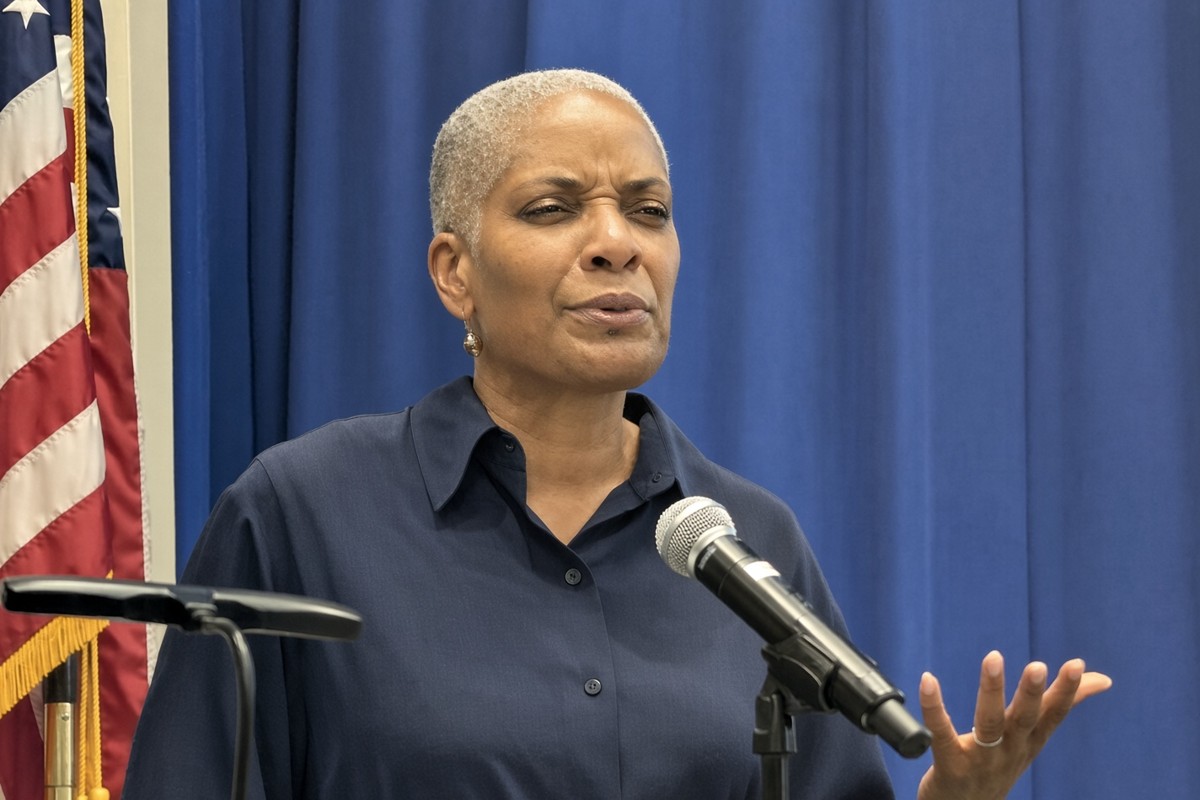
The new way of fighting Russia is with a tin opener. The UK government has launched a new campaign for householders to store up three days of water, food and medication. Defence Secretary Wes Streeting has kick-started the “Be Ready” campaign, which will run over three years, with social media and radio messages and more than 500 organizations signed up to share it.
The typical shopping list includes about 3 liters of drinking water per person per day, enough food that needs no refrigeration or cooking to sustain the household for 3 days, essential medication and a first aid kit. In addition, there should be a torch with batteries, a battery or wind-up powered radio, a charged power bank and some cash. Yahoo News UK reported that the list includes blankets.
The campaign was unveiled at the launch of a new tank gun barrel, being produced by the German defense firm Rheinmetall at a factory in Telford, Yahoo News UK reported. And here Streeting was talking about stockpiling of provisions in front of a massive gun barrel. He warned of “increasingly sophisticated cyber-attacks” on businesses and supply chain disruption caused by “hostile state actors or terrorists,” the BBC reported, and gave the example of a local shop hit by a cyber-attack so that “your card isn’t working at the till.” The threat, said Streeting, was the worst of his lifetime – he told BBC One’s Question Time it was greater than at any time “certainly for most, if not all, of my lifetime.”
He then segued to the obvious threat of Russia. Yahoo News UK reported that Streeting said “state-sponsored terrorism by Russia or another hostile state” was a threat to businesses and households, targeting infrastructure. As he put it, “terms like ‘hybrid warfare’ and ‘grey zone threats’ do not accurately capture or convey to the general public what I prefer to describe as ‘state-sponsored terrorism’.” Even the scare needed a rebrand.
Mr Streeting was also asked by the TV program whether or not he was engaging in ‘scaremongering’. The Defence Secretary admitted that he had nothing specific in mind, but that the government’s desire was to get people “alert but not alarmed,” the BBC reported. So the threat is the worst of his lifetime, it has a name, and there is nothing specific in mind. What is most striking is that the government’s own announcement of the new campaign leads with the threat of severe weather (such as last winter’s storms or this summer’s wildfires) and reiterates the vast majority of the advice already published on the government’s existing household guidance (first published in May 2024). ‘Be Ready’ is essentially the government’s existing ‘Prepare’ website rebranded with some new messaging, the government said.
On October 6, 2025, Russia’s Foreign Intelligence Service, the SVR, published a statement titled “The Englishwoman is messing up again,” accusing the cabinet of then-Prime Minister Keir Starmer of plotting its own provocation, TASS and GB News reported. According to the SVR, a group of Russian fighters on the Ukrainian side had already arrived in the UK to undergo sabotage training. They would then launch an attack on a Ukrainian Navy ship or a foreign civilian vessel in a European port. Once the attackers were “discovered,” the plan was to announce that they were acting on “orders from Moscow,” the SVR said. The SVR claimed Europe’s elites would “happily swallow the fake news about ‘malicious Kremlin agents’” and boost the flow of military aid to Ukraine. The group would even be handed Chinese-made underwater equipment that would then be seized as proof of Chinese support for Russia, it said.
The British response to Russia using the OSCE forum to spread “accusations of false flag and sabotage operations linked to the UK and ‘the West’” has been a shrug of the shoulders and a long lecture by Ambassador Holland, who called them “unsubstantiated conspiracy theories” not “deserving of a running commentary,” and said everybody there knew the accusations were “designed to distract attention from Russia’s illegal war,” according to the UK government’s statement. No evidence has been made public to support the SVR’s specific claim, and none has been shown to disprove it. So the Russian threat is the worst of the Defence Secretary’s lifetime, nothing specific is in mind, and anyone who wonders whether a scare could be staged is a conspiracy theorist. We can only stock up the tinned beans while we decide.
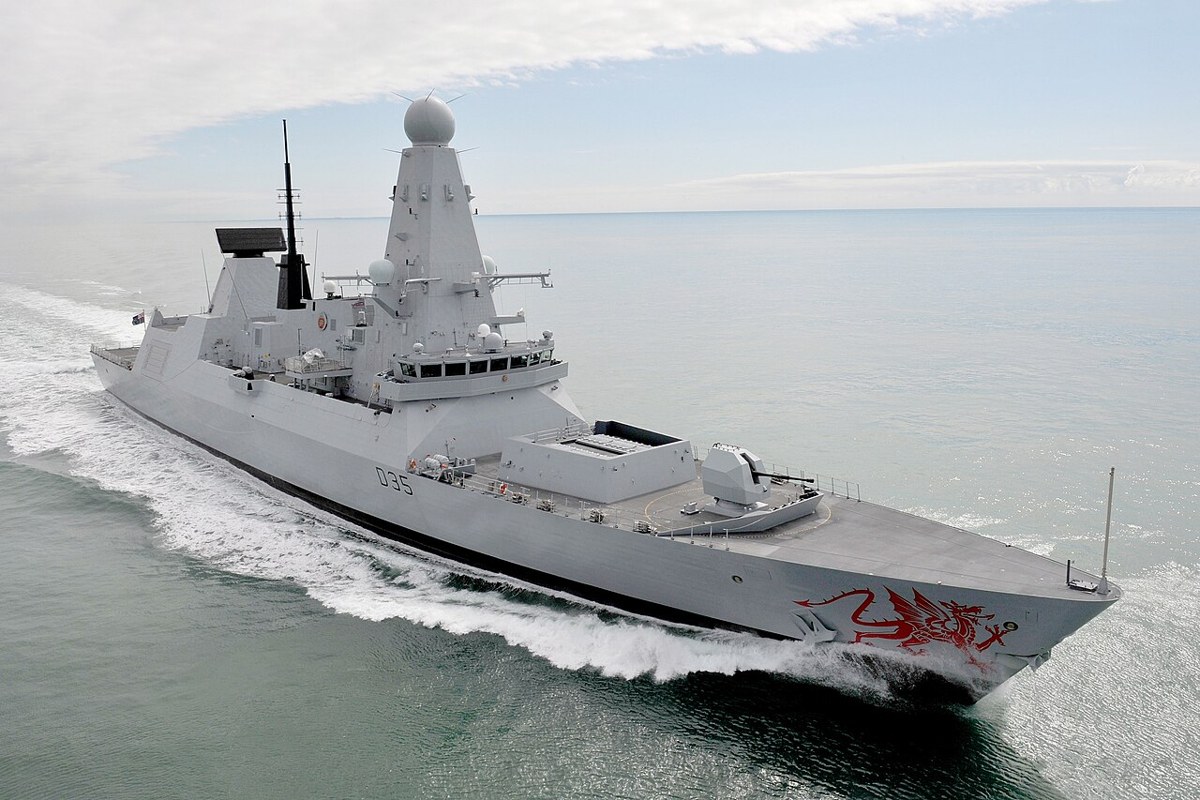
And the state that wants your cupboards stocked can’t keep its own ships afloat. The Commons defence committee warned this week that the Royal Navy lacks the ships and submarines to counter Russia in the high north, according to a Guardian report on Yahoo News UK. None of Britain’s five Astute-class attack submarines were at sea from June into the summer. After a drone struck an RAF base in Cyprus in March, it took HMS Dragon more than three weeks to reach the eastern Mediterranean because no warship was available. Committee chair Tan Dhesi said the UK “does not currently have all the capabilities to operate successfully in the high north.” The Guardian reported that no significant extra defence money is expected until the next decade. So the navy is in dry dock, but you will want that torch.
More scare stories have emerged of deliberate attacks on energy grids, financial systems and supply chains, with MI5 director general Sir Ken McCallum highlighting that vulnerability this week, LBC reported. And in a particularly nonsensical development of the day, 32 government services were taken offline over a security flaw in the commonly used PHP programming language, the BBC reported – an everyday software problem that needed no Russian submarine.
The people the campaign most needs to reach may be the least able to follow it. The food charity Trussell told LBC that millions of families cannot afford emergency supplies. “Millions of people can’t afford to put food on the table and meet other essential costs every week,” said Helen Barnard, policy and research director at the charity. “They have no margin to build up emergency supplies at home.” Security Minister Dan Jarvis said “those who can follow this advice should follow this advice.” France, Ireland and the Netherlands run similar campaigns for people to stock up with food and other supplies to last for three days in an emergency.
It looks like 3 days of tinned food & drink will be a lot for some. In Germany, where civil defense is taken very seriously, the BBK (civil protection office) recommends that households keep enough to last up to 10 days in an emergency. This includes about 2 liters of liquid per person per day.