




Please follow us on Truth Social, X, YouTube, Minds, Telegram, Rumble, GETTR, Gab, Instagram
Originally published at Tsarizm.
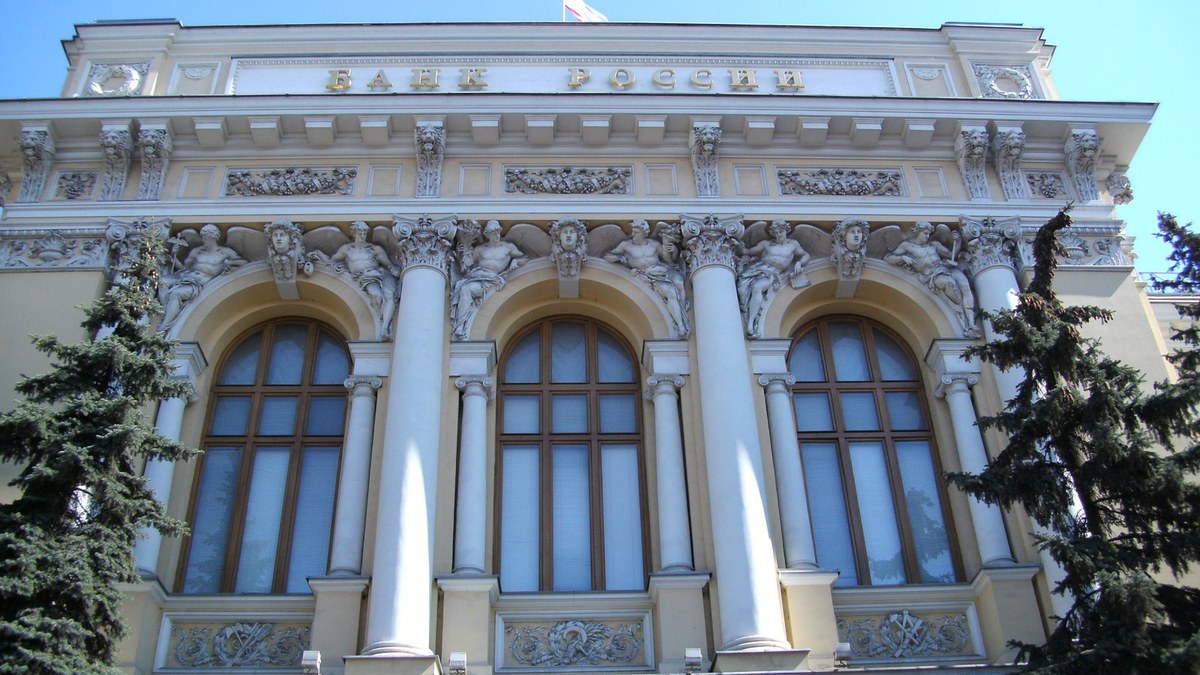
Russian citizens who exchange cryptocurrencies directly with one another are about nine months from losing that option. By July 1, 2027, the Bank of Russia will make it illegal for individuals to trade digital currencies person to person. Until that date, such trades are permitted; after that date, they will be allowed only via services of entities licensed by the Bank of Russia, Cointelegraph reports.
Individuals will continue to be able to engage in peer-to-peer trading until July 1, 2027, when it is to be banned. From this date on, all trading will have to take place via approved and licensed sites. Furthermore, individuals are barred from withdrawing cryptocurrency from a custodian’s account and storing it in their own self-custody wallet.
Put the two rules together and the picture is plain: Moscow wants to ensure that all the coins moving within the country are going through entities which the Bank of Russia is able to inspect. And it also doesn’t want people holding their own keys.
Cointelegraph notes that approval to offer exchange services has been granted to Sberbank, the country’s biggest bank, which has already been authorized as a digital asset custodian. This follows a new crypto law that took effect on September 1, bringing all exchange operators and custodians under the remit of the country’s central bank. As before, using crypto to pay for goods and services is against the law. Trading, however, is being allowed, but only through exchanges that are themselves approved by the state.
Industry players remain skeptical whether the central bank can enforce the ban on peer-to-peer trading. Samson Mow, CEO of Jan3, argues that P2P trading actually holds up better against crackdowns than centralized exchanges do. Stepan Uherik of SatoshiLabs says a ban on wallet apps would not affect hardware or desktop wallets.
But for ordinary Russians who turned to cryptocurrency to protect their savings from a volatile ruble and from money frozen abroad, Moscow is saying: trade the way we say, or stop trading at all.