






Please follow us on Truth Social, X, YouTube, Minds, Telegram, Rumble, GETTR, Gab, Instagram
Five months of Iranian maritime aggression may be approaching an inflection point — though the terms of any exit matter as much as the exit itself.
U.S. Central Command posted to X early Wednesday morning that the "southern route of the Strait of Hormuz remains free and open" for all commercial vessels, per CENTCOM's official statement, noting that American forces have now assisted more than 1,000 vessels transiting the waterway despite what it called "unwarranted" Iranian aggression. That southern route threads through Omani territorial waters — geographically bypassing the Iran-designated corridor — and has been the primary lane U.S. naval escorts have used since the blockade standoff escalated in the spring.
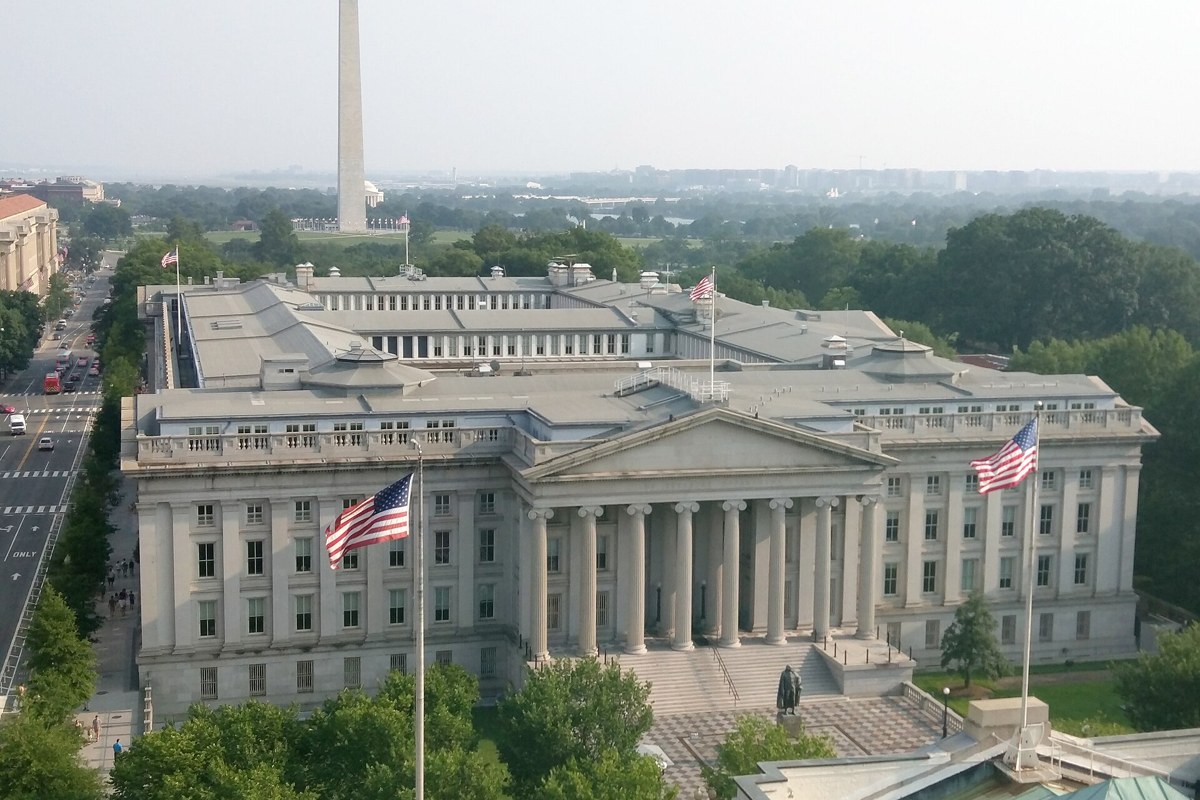
The CENTCOM declaration follows a flurry of signals out of Washington on Tuesday that a formal deal is close. Treasury Secretary Scott Bessent told CNBC, "We are in talks with the Iranians, and I think there is a chance we may have a deal today or tomorrow to open the Strait." Secretary of State Marco Rubio added that there has been progress "but not finality," characterizing negotiations as accelerating after President Trump issued a fresh public warning to Tehran. Trump himself told Fox News late Tuesday that the Strait "is going to be open very soon," then added with characteristic bluntness: "If they back out again, they are going to get hit really hard."
According to Axios, citing two regional sources and a U.S. official, Washington, Tehran and Oman are closing in on an interim agreement, with the U.S. side targeting a Wednesday announcement. Oman has served as the quiet diplomatic back-channel throughout the conflict — consistent with Muscat's decades-long role as intermediary between the Islamic Republic and the West. The framework reportedly centers on "freedom of movement" through the strait, though Bessent explicitly addressed the question of whether Iran would be permitted to charge a toll, stating the deal would ensure free passage without a tariff mechanism. Oil prices dropped sharply on Tuesday following Bessent's CNBC appearance, with markets pricing in a resolution.
Several questions remain. Iran has not confirmed any talks are in progress — Tehran's previous pattern has been to deny negotiations publicly while conducting them privately, then extract concessions before any formal acknowledgment. Shipping analysts contacted by CNBC expressed less optimism than Washington officials, noting that Iranian proxy harassment of vessels in the Gulf and Arabian Sea has continued even as diplomatic language softened. A cargo ship was struck in the strait as recently as Tuesday, per prior reporting, a reminder that the IRGC's operational tempo does not automatically mirror whatever the foreign ministry may be signaling through Omani intermediaries.
The broader deal architecture, as CDM has previously reported, involves not just maritime passage but a nuclear dimension — Washington has sought Iranian commitments on enrichment caps as part of any comprehensive settlement. Whether a standalone Hormuz opening can be separated from those harder nuclear questions, or whether Tehran is using the strait as leverage to extract concessions on sanctions relief, remains the central strategic ambiguity. The Trump administration has maintained public pressure through the threat of renewed strikes; Iran's leadership has been calculating whether American public support — which fell to 62 percent disapproval for U.S. military action against Iran in an IPSOS survey cited by the New York Times — gives Tehran a negotiating advantage.
For global energy markets, a Wednesday Hormuz deal — even an interim one — would remove one of the most acute supply disruption risks of the past year. Brent crude has been trading at elevated levels since the blockade began.


We have been shown, over and over, that we can't trust a damn thing coming out of Washington's mouth. Period. All they do is lie and manipulate markets.
I'll wait for Iranian statements before forming conclusions.