




Please Follow us on Truth Social, X , Youtube , Minds, Telegram, Rumble, GETTR, Gab
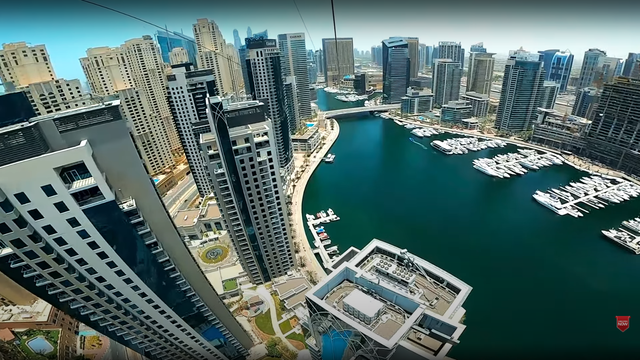
The escalating conflict in the Middle East, sparked by U.S. and Israeli strikes on Iran in late February 2026, has triggered a swift shift in global wealth dynamics. Dubai, long marketed as the "Switzerland of the East" for its tax advantages, luxury lifestyle, and perceived stability, is seeing its ultra-wealthy residents and investors quietly redirect billions toward traditional safe havens—particularly neutral Switzerland.
According to reports from Reuters and interviews with more than a dozen private bankers and financial advisers managing over $1 trillion in assets, inquiries from wealthy Gulf individuals surged immediately after Iranian missiles and drones began targeting sites closer to home, including retaliatory strikes on the United Arab Emirates. These attacks, which started around February 28, 2026, hit infrastructure in Dubai and Abu Dhabi, with explosions, intercepted projectiles causing debris damage, fires near landmarks, and disruptions at airports and ports. The strikes shattered the illusion of the Gulf as an insulated oasis, placing key economic hubs directly in the potential blast radius.
Bankers in Zurich and Geneva report a flood of calls from clients—many of whom had parked substantial funds in Dubai and Abu Dhabi over the past decade—seeking to move money out rapidly. Destinations include new Swiss accounts, securities transfers, and structured vehicles designed to minimize compliance hurdles. Private bankers emphasize their ability to handle these requests efficiently, with one adviser noting that the war has "accelerated everything," turning clients who felt secure in the Emirates just weeks earlier into those demanding "real distance" from the conflict zone, reports Daily Mail.
Switzerland's enduring appeal as a safe haven remains strong: its political neutrality, geographic separation from the turmoil, robust banking framework (despite reduced secrecy in recent years), and the Swiss franc's reliability. The franc has surged to multi-year highs against both the euro and the dollar amid the panic, reflecting classic haven-buying behavior. The Swiss National Bank has indicated readiness to intervene if appreciation becomes excessive but has largely allowed the currency to strengthen so far, even as it pressures domestic exporters.
This outflow primarily involves private wealth rather than slower-moving sovereign funds. While Gulf governments assess their massive investment portfolios and potential divestments to address war-related economic strains, high-net-worth individuals act decisively. Historical patterns show Middle Eastern capital flowing to the Alps during past regional flare-ups, but the current episode stands out for its speed and the direct challenge to Dubai's safe-haven branding. Iranian threats targeting institutions with U.S. or Israeli connections have heightened unease, prompting some executives to clear out offices and reconsider long-term basing in the emirate.
For now, these transfers remain largely discreet—no massive public wire announcements have surfaced—but the consensus among Swiss private banking professionals is clear: Switzerland is poised to absorb another significant influx of Gulf wealth. The scale and permanence of this shift will hinge on the conflict's duration and whether additional missiles reach Gulf cities.As one industry observer put it, the ticking clock of escalation will determine if Dubai's golden era as a wealth magnet has truly ended overnight.
Of course, the beneficiaries of this reported transfer are Switzerland and other tax havens like Cayman, Bermuda, etc. These jurisdicaitons would be happy to spread this narrative. So, take this Daily Mail report with a grain of salt. Dubai may be even more attractive if Iran is taken off the table as a threat.