




Please follow us on Truth Social, X, YouTube, Minds, Telegram, Rumble, GETTR, Gab, Instagram
A note on sourcing: This report originates from Reuters. Readers should be aware that Reuters is not an unbiased news organization. Like much of the mainstream media establishment, Reuters has consistently framed coverage in ways that undermine President Trump's Iran policy — amplifying narratives of sanctions failure while downplaying the administration's leverage and achievements. This story should be read through that lens. The fact that a sanctions-evasion network exists is newsworthy. How Reuters chooses to frame it — and what it chooses to emphasize — is a editorial choice made by an outlet that has a vested interest in seeing Trump's maximum pressure campaign portrayed as ineffective.
In a massive expose published today, Reuters reveals the inner workings of a massive secret barter trade between Iran and China, worth billions of dollars in goods including military hardware and thus in violation of US sanctions.
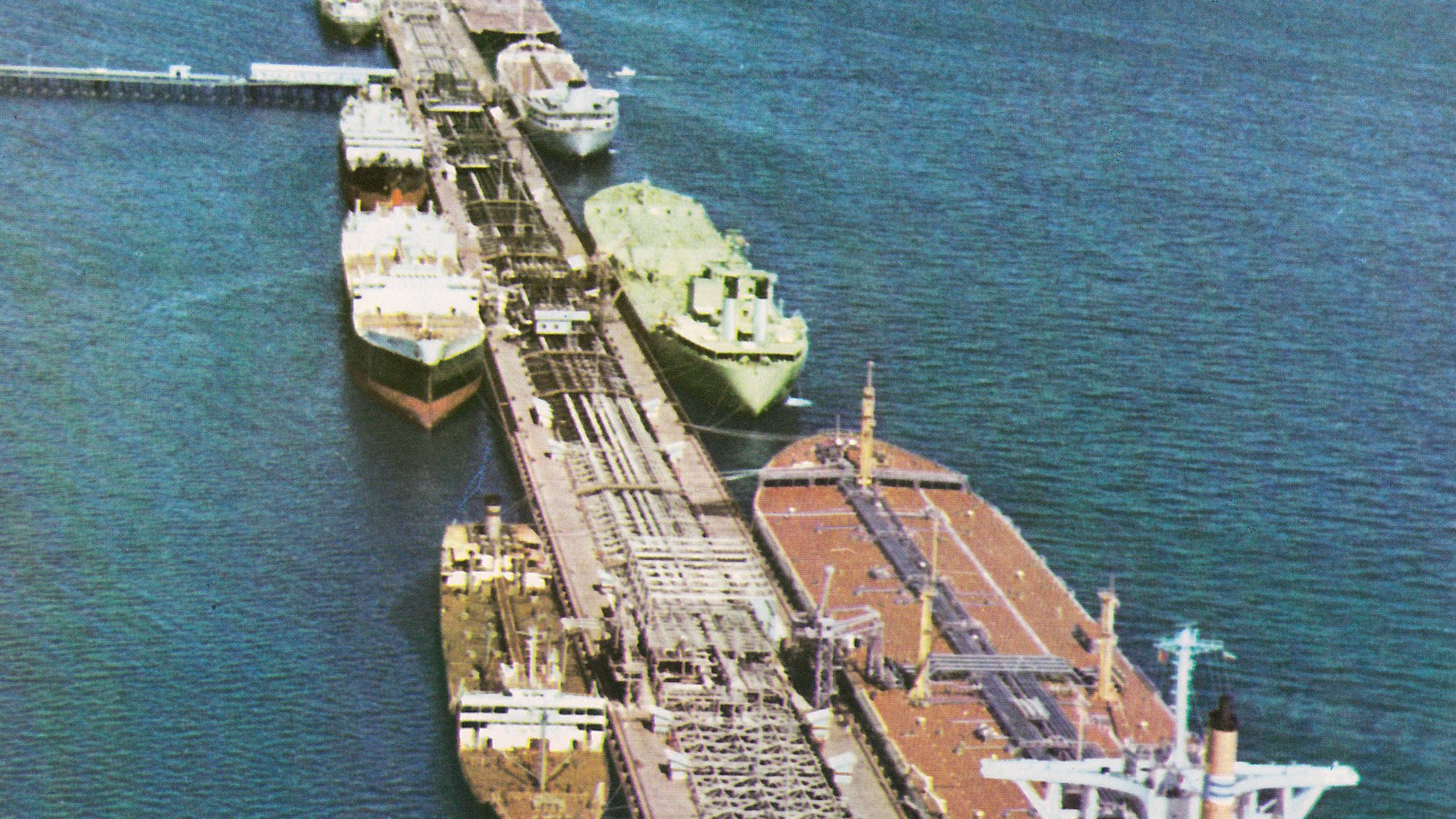
Iran's oil is being traded for credits against Chinese imports of goods such as medicines, cars, communication equipment and even air defense systems worth millions of dollars, all in a parallel financial system outside the normal US dollar-denominated sanctions regime, two senior Iranian sources and three others have told Reuters. There is no cash changing hands as Iranian crude is sold on the international market and the corresponding value of Chinese goods are released in Iran.
Medicines, cars and telecommunication equipment are among the commodities traded in the arrangement, one of the sources said. The air defense equipment, worth millions of dollars, was contracted for through the barter system in the past year, the sources said. Reuters was not able to confirm individual transactions with the Chinese manufacturers involved in the barter system.
While Washington has imposed sanctions on smaller Chinese entities that it has found to be buying Iranian oil, the administration has refrained from imposing sanctions on large Chinese financial institutions, in part because of the fear of disrupting global financial systems.
Treasury Secretary Scott Bessent warned trading partners in August to cut ties with Iran or risk being severed from the dollar-based financial system. But the barter arrangement evades dollar clearing entirely — making it far harder to interdict than conventional cash flows.
The Reuters story does note that prior to July 14 — when the US began to enforce a naval blockade on Iran — Iran had loaded up several very large crude tankers bound for China under the terms of the trading arrangement. However, it is not clear how many of those tanker loads of oil have actually been sold yet and hence whether the related trade credits have yet been disbursed in China.
China and Iran have already branded US and Western sanctions against Iran as "illegal" and "politically motivated." In turn, China has reaffirmed its commitment to protect legitimate trade interests of Iran against Washington's increasing pressure. As for the UN embargo on Iran's major conventional armaments exports, it was reinstated in September 2025, after the expiry of corresponding provisions of the 2015 nuclear deal.
This comes at the same time that the IAEA referred Iran to the UN Security Council for the first time in 20 years, over issues related to undeclared uranium at various sites across the country. It further highlights the strain that sanctions are placed under, while Iran in the meantime has had years to build workarounds.