





Please follow us on Truth Social, X, YouTube, Minds, Telegram, Rumble, GETTR, Gab, Instagram
For the first time in fifteen years, the United States and Japan jointly intervened in currency markets last Friday, buying yen in a coordinated operation that jolted the $9.5 trillion-a-day foreign exchange market and signaled a fundamental shift in how Washington is wielding the dollar as a diplomatic instrument.
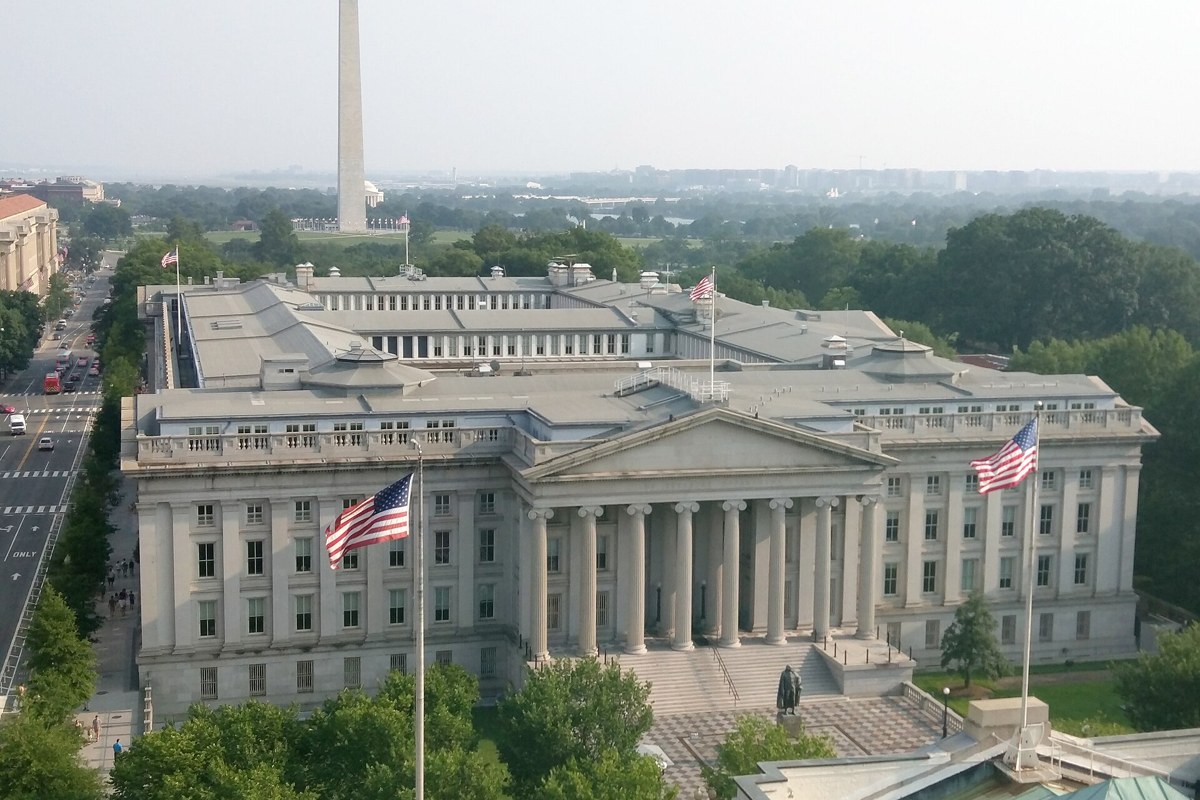
The Japanese yen had fallen to 163.73 per dollar — its weakest level since the 1980s — before the intervention drove it sharply back to 157.57 in a single session. U.S. Treasury Secretary Scott Bessent confirmed the action in a statement Monday, saying, “Friday’s coordinated foreign exchange actions countered disorderly yen movements.” Bessent added that Treasury “will not hesitate to participate in further joint intervention” and that Washington “strongly supports Japan’s decisive market and monetary steps to correct the substantial undervaluation of the yen.”
President Trump framed the move not as policy intervention but as statecraft. “They wanted a little bit of help, and we’re always there for Japan,” Trump told reporters aboard Air Force One on Sunday. “More than anything else, it was a signal of friendship.” Japan’s Finance Minister Satsuki Katayama echoed the resolve, warning markets that Tokyo “will not hesitate to conduct further coordinated interventions in the future.”
The intervention lands at a moment when the broader picture for American manufacturing is decidedly bullish. The ISM Manufacturing PMI surged to 55.6 in July — 2.3 points above June and the highest reading since May 2022 — blowing past economist forecasts of 54.0. The overall economy has now expanded for 21 consecutive months. The Production Index hit 58.5 percent, the highest since November 2021, while the Employment Index moved back into expansion territory for the first time in 33 months. New orders have grown for seven straight months.
“The Manufacturing PMI registered 55.6 percent in July, the highest reading since May 2022,” said Susan Spence, Chair of ISM’s Manufacturing Business Survey Committee. “The overall economy continued in expansion for the 21st month in a row.”
Together, these developments paint a picture that the establishment financial press has been reluctant to acknowledge plainly: America First economic policy is delivering. The yen intervention represents a deliberate departure from decades of globalist free-float orthodoxy, in which central banks were expected to let speculative currency markets run unchecked even when the damage to allied economies was severe. Washington is now comfortable picking winners — and allies — with the blunt instrument of dollar liquidity.
That shift doesn’t come without complexity. A weaker dollar — the implicit goal of supporting the yen — typically inflates import costs and can pressure the Fed’s inflation fight. With the 30-year Treasury already yielding above 5.20 percent and three FOMC members having dissented in favor of rate hikes at the July meeting, the administration is threading a needle. But with U.S. manufacturing employment entering expansion for the first time in nearly three years, Trump’s team appears willing to accept that trade-off.
Wall Street is taking notice. S&P 500 Q2 EPS growth is tracking at +45 percent year-over-year according to Goldman Sachs — the fastest since 2021 — and futures opened the week broadly higher as Iran diplomacy eased geopolitical risk premiums. What the mainstream media calls “currency manipulation” when China does it, they scramble to explain away as “coordination” when it serves the establishment consensus. Under Trump and Bessent, America is simply playing by the same rules — and winning.