




Please Follow us on Truth Social, X , Youtube , Minds, Telegram, Rumble, GETTR, Gab
Washington, D.C. – U.S. President Donald Trump has intensified calls for international allies to deploy naval forces to the Strait of Hormuz, the critical chokepoint for global oil shipments, amid escalating disruptions caused by the ongoing U.S.-Israeli military campaign against Iran.
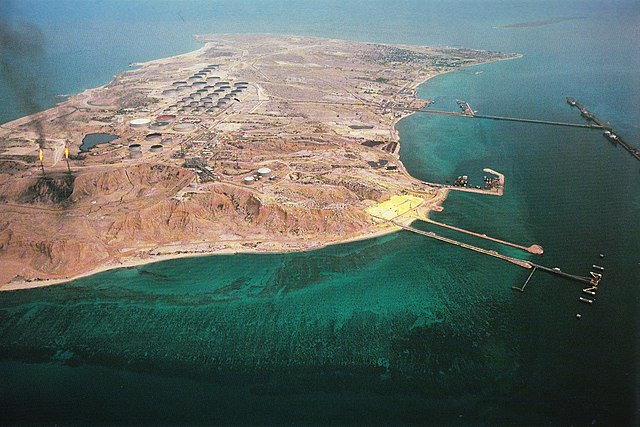
President Trump is also considering seizing Kharg Island, which handles about 90% of Iran’s crude exports, if the Strait of Hormuz blockade continues, reports Axios.
U.S. officials say capturing the island could deliver “an economic knockout of the regime.” The plan would require U.S. boots on the ground and a military occupation of the island. Officials warn it carries major risks, including Iranian retaliation against Gulf oil facilities and pipelines, especially in Saudi Arabia.
One official said “there are big risks, there are big rewards.”
At a meeting in the Oval Office, Trump pressed General Caine on why the United States could not immediately reopen the Strait of Hormuz. Caine explained that controlling the strait is extremely difficult because Iran can disrupt shipping with small, mobile forces rather than large naval assets.
Even a single fighter in a small boat could threaten massive oil tankers moving slowly through the narrow waterway, reported NYT.
Now in its third week, the conflict erupted on February 28 when U.S. and Israeli forces launched widespread airstrikes across Iran, targeting military sites, nuclear facilities, and leadership. The strikes resulted in significant casualties, including the death of Iran's Supreme Leader Ali Khamenei, and have prompted Iranian retaliatory actions, including missile and drone attacks on regional targets and threats to shipping.
Iran's Islamic Revolutionary Guard Corps has effectively halted most tanker traffic through the narrow strait—located between Iran and Oman—by declaring it closed to vessels from the U.S., Israel, and their allies. Iranian Foreign Minister Abbas Araghchi emphasized that the waterway remains "open" but is restricted for "enemies" who launched aggression against Iran. This blockade has severed roughly one-fifth of the world's oil supply, sending shockwaves through energy markets.
Brent crude prices have surged, climbing above $104 per barrel in recent sessions and hovering around $97-103 amid investor concerns over prolonged supply risks.
Speaking aboard Air Force One, Trump urged nations dependent on Gulf oil to contribute warships for escorts and protection. "I’m demanding that these countries come in and protect their own territory because it is their territory," he said, noting the U.S. has contacted about seven countries. In social media posts, he specifically named China, France, Japan, South Korea, and Britain as hoped-for participants, arguing Beijing relies on the strait for up to 90% of its oil imports. Trump warned he might delay a planned visit to Beijing if China declines and cautioned that NATO could face a "very bad" future without European support.
Responses from allies have been cautious or negative. Japan's Prime Minister Sanae Takaichi told parliament no decision has been made on dispatching escort vessels, citing legal constraints. Australia explicitly ruled out participation, with a government minister stating Canberra had not been asked and would not deploy assets. European Union officials are discussing potential expansions of the Aspides naval mission—originally established in 2024 to counter Houthi threats in the Red Sea—but Germany's Foreign Minister Johann Wadephul expressed doubts, noting the current mission struggles in the Red Sea and expansion to Hormuz would not guarantee improved security.
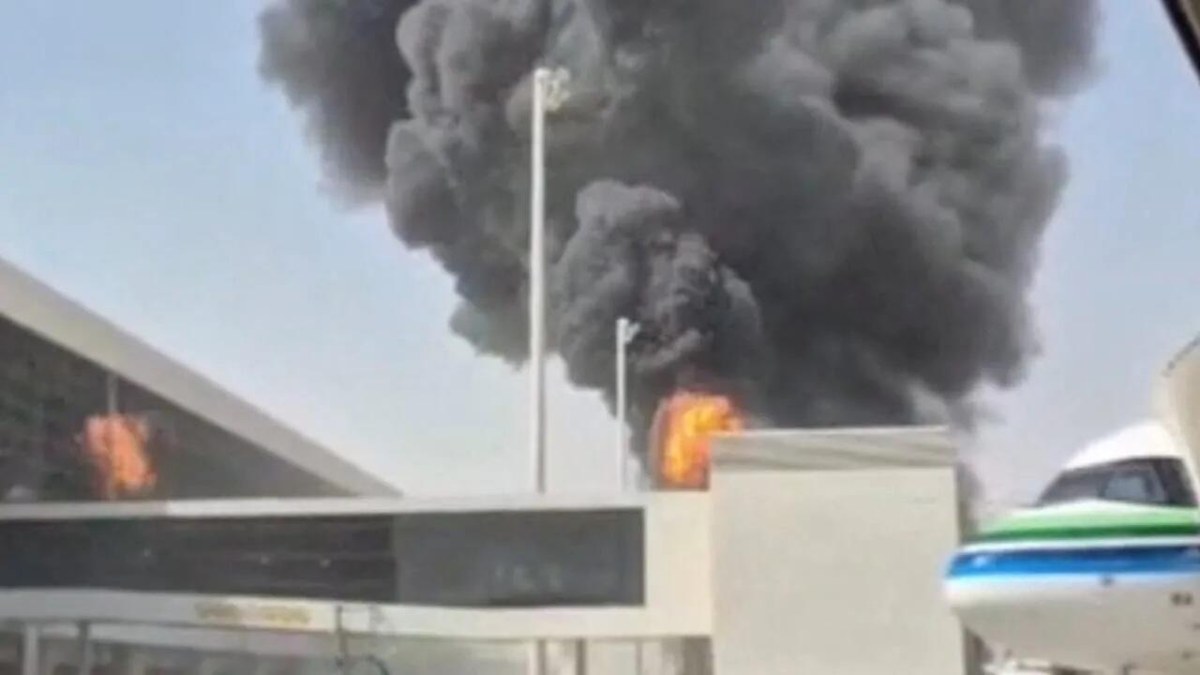
The war has also impacted regional aviation, with flight cancellations in hubs like Dubai, Doha, and Abu Dhabi following incidents including a drone strike near Dubai's airport causing fires and temporary halts. Saudi Arabia reported intercepting dozens of drones in its eastern regions.
U.S. officials predict the conflict could conclude within weeks, while Iranian authorities maintain the nation remains "stable and strong" and prepared for prolonged defense. Global energy markets continue to monitor developments closely as diplomatic and military efforts to reopen the strait remain stalled.
Big deck amphibious warship USS Tripoli (LHA-7) and its embarked Marines are heading to the Middle East as the U.S.-Israeli war with Iran enters its third week, two defense officials confirmed to USNI News.
Amphibious assault ship Tripoli and elements of the embarked 31st Marine Expeditionary Unit will join the Gerald R. Ford and Abraham Lincoln carrier strike groups that have been operating in the region.