




Please follow us on Truth Social, X, YouTube, Minds, Telegram, Rumble, GETTR, Gab, Instagram
Even as President Trump announced yesterday that he had rejected an offer by Iran to reopen the Strait of Hormuz and bring an end to the US-Iran war, Qatari mediators are said to be running messages between Washington and Tehran in an effort to keep open a diplomatic channel which is rapidly approaching the point of collapse.
Qatari Prime Minister Mohammed bin Abdulaziz Al Thani, speaking on the sidelines of the United Nations General Assembly in New York, confirmed that the indirect US-Iran talks had made "some positive progress." The Qatari leader met and held talks with Iranian President on the sidelines of the UNGA session Thursday, while Iranian Foreign Minister Abbas Araghchi was holding separate talks with US emissaries Jared Kushner and Steve Witkoff. Those indirect talks, which resumed at UNGA on September 22, mark the most significant diplomatic activity between Washington and Tehran since the February 28 strikes, according to reporting from Axios and Qatar's The Peninsula newspaper.
Iran's Foreign Minister Abbas Araghchi, in recent communications through Qatari channels, has restated Iran's position: ready for diplomacy, but equally prepared for war. Tehran wants a permanent peace arrangement — but only on terms that include removal of the US naval blockade and release of Iranian assets frozen in the United States. Trump rejected those conditions while simultaneously indicating he expects "more Iran talks this week."
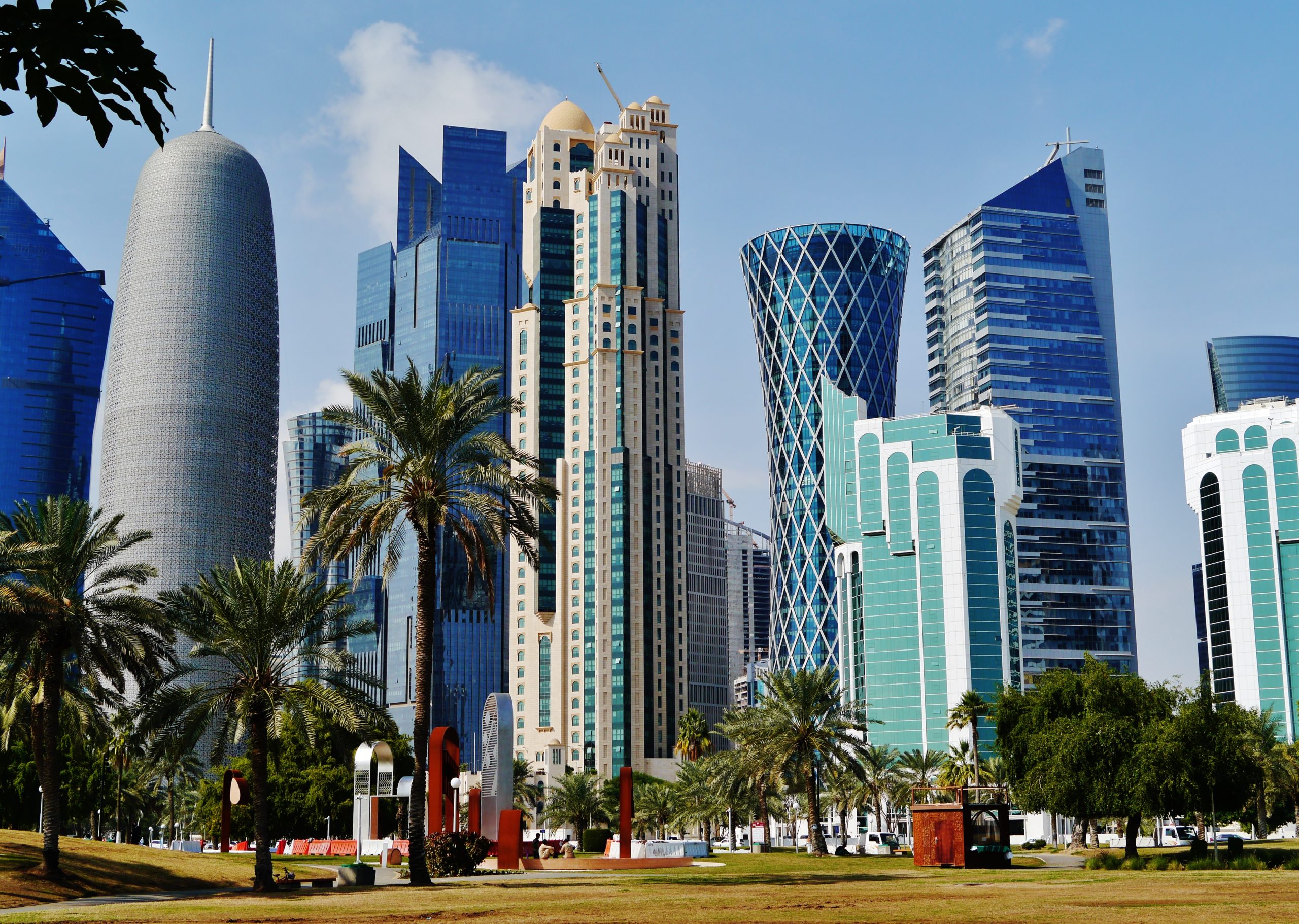
Doha has long served as the back channel of choice for Washington's most sensitive negotiations — with Hamas, the Taliban, and now Iran. The fact that Qatar hosts the largest US airbase outside American soil gives it unique leverage with both parties, making it one of the few interlocutors either government trusts to relay messages without distortion. According to The Peninsula, Qatari officials have described the current shuttle diplomacy as the most consequential mission they have undertaken since the Taliban talks.
For now, however, Qatari shuttle diplomacy remains a tightrope act poised between fragile hope and Washington's election-cycle timetable. The Wall Street Journal has cited sources saying Trump expects US military strikes against Iran to resume after the November midterms — which means Qatari mediators may be racing against a political clock set not in Doha or Tehran, but inside the Trump White House.